 Tavrin
Adapting Preparation Strategies to Individual Schedules
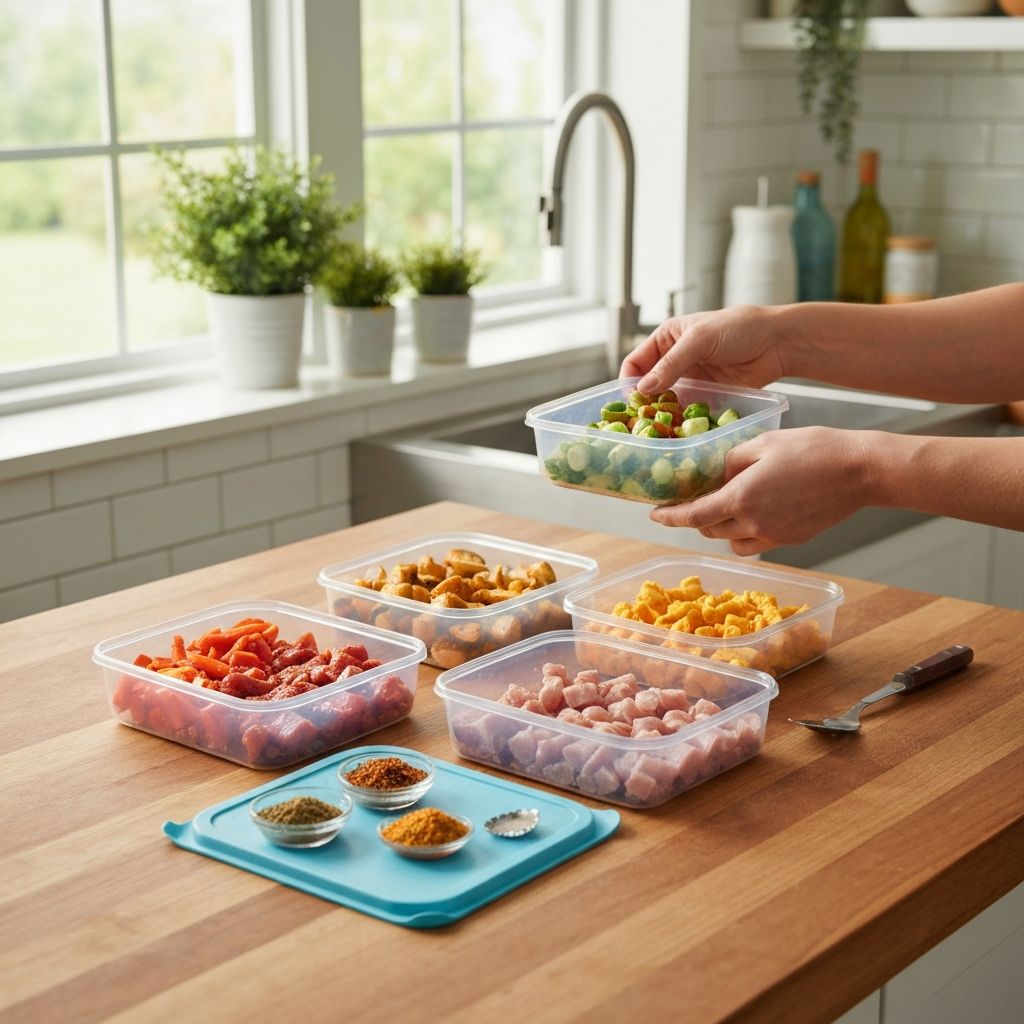
This article explores how different schedules and circumstances influence meal preparation approaches. It does not prescribe specific practices or suggest that any single approach suits all individuals.
Schedule Variability and Preparation
Individual circumstances vary enormously in ways that influence optimal meal preparation approaches. Work schedules, family commitments, activity levels, and personal preferences all shape when preparation occurs and what flexibility emerges around eating occasions. Batch preparation approaches require adaptation to reflect actual circumstances rather than imposition of external templates.
Structured Work Schedules
Individuals with consistent weekday work patterns often benefit from concentrated weekend preparation. A single extended session or two shorter sessions across a weekend can produce components supporting the following week's eating occasions. This approach works when work schedules remain relatively stable and predictable.
Consistency in preparation timing allows development of routine and efficiency through repeated execution. Familiar processes become increasingly efficient as skill develops.
Irregular and Shift-Based Schedules
Individuals with irregular work patterns, shift work, or unpredictable schedules benefit from flexibility in preparation timing. Rather than restricting preparation to specific days, components can be prepared whenever schedules permit. Smaller quantities prepared more frequently replace concentrated single sessions.
This flexibility accommodates actual life patterns without requiring adherence to predetermined schedules. Components prepared across different days can be combined in storage, supporting assembly based on actual eating occasions.
Family and Household Considerations
Households with dependent children often require different preparation approaches than individuals living alone. Preparation timing may accommodate children's activities or routines. Component selection may reflect preferences across multiple household members. Quantity decisions reflect actual household composition and consumption patterns.
Cooking Confidence and Skill
Individual comfort with food preparation influences approach selection. Beginners often benefit from starting with simple component combinations and expanding as confidence develops. More experienced individuals may confidently handle complex multi-component preparations from the outset.
Self-assessment of existing skill and acknowledgement of areas requiring development supports realistic planning and positive experience during execution.
Equipment and Space Constraints
Available kitchen equipment, oven capacity, and storage space all influence practical approaches. Individuals with limited equipment might emphasise simpler preparation methods requiring fewer specialised tools. Those with constraint in storage space prepare smaller quantities more frequently. These practical limitations shape realistic planning.
Food Preferences and Dietary Approaches
Personal food preferences, cultural food traditions, and any structured dietary approaches all influence component selection. No universal ingredient lists exist. Effective approaches reflect what individuals actually prefer consuming rather than external prescriptions about what should be eaten.
Activity Levels and Eating Patterns
Different activity levels require different nutrition availability. Athletes or individuals with high activity may require larger quantity components. Sedentary individuals might benefit from smaller portions. Activity patterns throughout the week influence when meals occur and how many eating occasions require prepared components.
Budget and Resource Constraints
Financial resources available for food purchasing influence ingredient selection and quantity decisions. Batch preparation using affordable ingredients remains accessible across different budget levels. Strategic ingredient selection maximises value while maintaining quality.
Health and Accessibility Considerations
Individuals with mobility limitations, chronic health conditions, or other accessibility considerations may require modified preparation approaches. Shorter preparation sessions, adaptive equipment, or assistance from others may support participation. Individual circumstances guide appropriate modifications.
Seasonal Factors
Seasonal availability of ingredients, seasonal schedule changes, and varying daylight hours influence preparation decisions. Adjustment of approaches across seasons reflects changing circumstances rather than rigid adherence to consistent methods year-round.
Trial and Adjustment
Initial approaches represent starting points rather than permanent commitments. Observation of what functions effectively and what proves problematic guides subsequent adjustments. Evolution of approaches over time reflects learning through experience and changing life circumstances.
Important Reminder: Individual circumstances vary greatly and change over time. Meal preparation approaches should be adapted to reflect actual circumstances, preferences, and constraints. What works effectively for one individual or at one life stage may require modification for different circumstances. Flexibility and willingness to adjust approaches support sustainable practice.